Sunday, March 1, 2026

13 Values Every 13-Year-Old Girl Should Carry Into Life

​


 I remember being 13 what a fragile time so many emotions, insecurities ,so many changes physically mentally and emotionally. If you are wondering why I brought this up or why I am thinking about all this it’s because my little baby girl just turned 13 . The age where you feel invincible ,excitable  and curious. I feel a bit terrified so I asked myself what should I tell her . 

Thirteen is a tender, powerful age.It’s where confidence is tested, identity begins to form, and the world quietly starts placing expectations on a girl’s shoulders. What she learns here about her worth, her voice, and her strength can shape the rest of her life.


This piece is for the 13-year-old girl finding her footing, and for every adult responsible for guiding her. These are the values that protect her spirit, build unshakeable confidence, and remind her that she is allowed to grow at her own pace.

Thirteen is a powerful age. It’s the in-between space no longer a little girl, not yet a woman but already full of questions, courage, and becoming. The values a girl learns at this stage quietly shape the woman she grows into. Not the loud lessons, but the lived ones. The ones she practices when no one is watching. 

So I decided why not write so here goes the words I would like to share with her and every other 13 year old parent to tell theirs.Here are a few lesssons on confidence, character, and becoming her own safe place.

Here are life values worth passing on to a 13-year-old girl values that protect her spirit, sharpen her confidence, and ground her through every season ahead.

1. Self-Worth (Before the World Defines You)

Teach her this early: her value is not earned by beauty, popularity, obedience, or perfection. She is worthy because she exists. Full stop.

When a girl knows her worth, she doesn’t beg for love, tolerate disrespect, or shrink to be accepted.

Lesson: You don’t audition for spaces meant for you.

2. Confidence Is Built, Not Given

Confidence isn’t loud or flawless. It’s quiet self-trust. It grows when she tries, fails, learns, and tries again. Encourage her to speak even when her voice shakes. To show up even when she doubts herself.

Lesson: Confidence comes from doing hard things scared.


3. Gratitude Grounds the Heart

Gratitude teaches her to see abundance even in small moments—clean water, laughter, rest, safety, friendship. A grateful girl learns joy without comparison and contentment without settling.

Practice: Keep a gratitude list, not to ignore pain but to anchor hope.


4. Patience Is a Form of Strength

In a world that rushes everything, patience teaches her timing. That not everything is hers immediately and that waiting doesn’t mean failing.

Lesson: Growth happens underground before it shows.


5. Persistence Beats Talent

She may not always be the best, but she can always be consistent. Persistence teaches her to keep going when things feel boring, hard, or slow.

Lesson: Showing up matters more than showing off.

6. Perseverance Through Hard Seasons

Life will disappoint her. People will let her down. Dreams will take longer than planned. Perseverance teaches her that pain is not permanent and quitting isn’t the only option.

Lesson: You are allowed to rest but not to give up on yourself.

7. Prayer & Inner Stillness 

Whether through prayer, reflection, or quiet moments teach her to sit with herself. To listen inward. To ask for guidance. To know she is not alone in the world or in her struggles.

Lesson: Strength grows when you learn how to be still.

8. Kindness With Boundaries

Kindness does not mean people-pleasing. Teach her to be gentle without being a doormat. Loving without self-betrayal. Giving without depletion.

Lesson: You can be kind and still say no.


9. Emotional Honesty

Teach her to name her feelings anger, sadness, jealousy, joy without shame. Suppressed emotions don’t disappear; they resurface louder later.

Lesson: Feelings are information, not weakness.


10. Respect For Herself First

Respect starts with how she speaks to herself, how she allows others to treat her, and the standards she sets. Self-respect is the foundation of every healthy relationship she’ll ever have.

Lesson: Protect your peace like it matters—because it does.

11. Curiosity & Lifelong Learning

Encourage her to ask questions. To read widely. To learn skills beyond school. Curiosity keeps her adaptable, creative, and resilient in a changing world.

Lesson: Smart girls don’t know everything—they stay curious.

12. Responsibility for Her Choices

Teach her accountability without fear. Mistakes are teachers, not life sentences. Owning choices builds integrity and independence.

Lesson: You are powerful because you choose—and you learn.

13. Becoming Her Own Safe Place

Perhaps the most important value of all: teach her how to comfort herself, trust herself, and come back to herself when the world feels loud.

Lesson: You are allowed to be soft and strong at the same time.

Lastly.You don’t need to rush growing up. You don’t need to be perfect. You don’t need to be smaller to be loved.


Carry these values gently. Let them evolve with you. And remember confidence isn’t knowing you’ll never fall. It’s trusting yourself to rise every time you do.


The world doesn’t need you to be less. It needs you to be whole


Saturday, December 6, 2025

Do people truly change for the right partner, or does the right partner simply bring out a better version of them?

TRUE LOVE BEHAVIOURS YOU WILL NEVER HAVE TO BEG FOR
Do People Really Change for the Right Partner? A Deep Dive into Love, Growth, and Emotional Readiness

There’s a question that keeps coming up in conversations, podcasts, Twitter debates, and late-night tea talks with friends:

Do people truly change for the right partner, or does the right partner simply bring out a better version of them?


It’s a question loaded with emotion because so many of us have lived both sides.
We’ve seen people transform beautifully in love and we’ve also watched relationships crumble because the change one partner hoped for never came.

So let’s unpack it with honesty, depth, and psychological clarity.

1. People don’t change because of pressure they change because they’re ready.

Real change never begins with someone shouting, nagging, begging, or “fixing.”
It begins with internal readiness.

A partner can inspire you, challenge you, or mirror your flaws—but the decision to evolve has to come from within.
People change when:
  • They’ve grown tired of their own patterns
  • They want a different future
  • They see a relationship worth protecting
  • They feel safe enough to grow
  • They’re emotionally mature enough to confront themselves

Without readiness, even the most loving partner feels like they’re pouring into a bottomless cup.


2. The right partner doesn’t change you—they activate you.
Think of personal potential like a seed.
The seed already contains everything it needs to become a tree, but it will only grow in the right environment.
The right partner is that environment.

They don’t mold you into someone new they awaken the version of you that was waiting for safe ground to grow.

They bring clarity, calm, direction, and emotional space.
Suddenly, becoming better doesn’t feel like pressure—it feels natural.

This isn’t manipulation.
It’s activation.

How Men Change in Love

Men often grow differently not slower, but from a different emotional place.

Men change when they choose to but the right woman can inspire the decision.

A man may step into emotional maturity when he meets someone who:

  • Brings stability where his life had chaos
  • Reflects his best potential back to him
  • Makes him feel respected and understood
  • Awakens his desire to be consistent and dependable


He doesn’t change for her.
He changes because he wants to be worthy of what he has with her.

But if he isn’t ready, nothing works.
If he’s:
  • Emotionally unavailable
  • Immature
  • Inconsistent
  • Still healing
  • Avoiding accountability…then even the most patient woman becomes exhausted.

No amount of care can transform a man who is not internally ready.

How Women Change in Love

Women grow from a place of emotional safety. Their evolution is tied to how secure, valued, and heard they feel.

Women change when the relationship feels emotionally safe.

A woman unfolds when:
  • Her emotions are respected
  • Her vulnerability is met with consistency
  • The relationship feels stable
  • She isn’t fighting to be heard
  • The man shows leadership and emotional maturity
  • She doesn’t change dramatically she softens.
  • She becomes more expressive, more trusting, more open.

Her change is rarely about impressing a man it’s about investing in a future she believes in.

The wrong man doesn’t change her he wounds her.
When a woman feels:
  • Dismissed
  • Ignored
  • Drained
  • Undervalued
  • Betrayed
  • She doesn’t evolve—she retreats.
  • She becomes guarded.
  • She becomes careful.
  • She becomes someone who protects herself first and loves second.

Her emotional light dims—not because she changed, but because she was injured.

So what happens in a healthy partnership?

The magic of the right relationship is found in mutual evolution.

The right man becomes more grounded.

He develops emotional depth, consistency, ambition, and purpose because he feels inspired not coerced.

The right woman becomes more open.

She becomes more trusting, confident, expressive, and emotionally generous because she feels safe not threatened.

Together, they create a space where both can grow.

A healthy relationship nurtures:

  • Honest communication
  • Mutual accountability
  • Shared goals
  • Emotional safety
  • Patience and kindness
  • Growth without pressure
  • No one is fixing the other.
  • No one is dragging the other.
  • They are growing in tandem, like two plants sharing sunlight.

So… Do People Really Change for the Right Partner?
Here’s the truth:

People don’t change because of the right partner—they change because they are ready.

But the right partner makes readiness feel possible.
They awaken the parts of you that were waiting for warmth, safety, love, and consistency to bloom.

The right partner doesn’t build you. They reveal you.
They don’t change you .They activate you.
They don’t reshape your personality They give your best self room to breathe.

And that is the quiet, powerful beauty of love done right.

Saturday, September 13, 2025

When Correction Feels Like Rejection: Childhood Trauma, Confrontation Avoidance, and Healing

ITS NOT YOU ITS ME
Have you ever noticed how even gentle feedback can feel like a personal attack? Or how your chest tightens at the thought of confronting someone even over something small? For many adults, the correlation between correction, rejection, and confrontation avoidance runs deep, often rooted in childhood trauma.

Why Correction Feels Like Rejection
For children who grew up in critical, neglectful, or emotionally unsafe environments, correction wasn’t just about learning. It was often accompanied by shame, punishment, or withdrawal of love. Over time, the brain wires itself to interpret correction as a threat to belonging.

“You did this wrong” becomes “You are unworthy.”
“You need to improve” feels like “You’re not lovable unless you’re perfect.”


As adults, this early programming lingers. A boss’s feedback, a partner’s suggestion, or even a friend’s disagreement can trigger feelings of deep rejection even when none is intended.

If correction feels like rejection, then confrontation becomes dangerous territory. It’s not just about an argument  it’s about the fear that any disagreement could lead to abandonment. Many trauma survivors develop confrontation avoidance as a self-protection strategy:

Saying “yes” when they want to say “no.”

Over-explaining or people-pleasing to keep the peace.

Avoiding difficult conversations until resentment builds.


While these behaviors may protect in the short term, they often damage relationships and self-esteem in the long run.

Signs You Might Be Struggling With This Cycle

You overthink every piece of feedback you receive.

You replay confrontations in your mind, worrying you “said the wrong thing.”

You avoid raising issues, even when you’re deeply uncomfortable.

You equate someone correcting your work, opinion, or choices with them rejecting you as a person.

How to Begin Healing
Breaking free from this cycle requires unlearning old patterns and building safer, healthier responses. Some approaches include:

 Inner Reparenting
Speak to yourself the way you needed an adult to speak to you as a child. Replace harsh self-talk with affirmations like: “Correction doesn’t mean I’m unworthy  it means I’m learning.”
Therapy and Trauma Work
Modalities like inner child healing, EMDR, or somatic therapy can help rewire the nervous system to separate feedback from rejection.
Practice Small Confrontations
Start with safe spaces: telling a friend what food you prefer, saying no politely, or expressing a different opinion in low-stakes situations. This builds tolerance for confrontation without fear.
Reframe Correction as Collaboration
Instead of viewing feedback as rejection, see it as someone investing in your growth. Correction doesn’t diminish your worth; it adds to your wisdom.
Build Supportive Relationships
Surround yourself with people who correct with kindness and respect. This helps retrain your brain to expect safety, not rejection.
If correction feels like rejection, you’re not “too sensitive”  you’re responding to old wounds. Avoiding confrontation may have kept you safe as a child, but it doesn’t have to define your adulthood. With awareness and healing, you can learn to see correction not as a threat, but as an opportunity.

Healing is not about erasing the past, but about rewriting the story of how we respond to it. And the first chapter begins with compassion for yourself

Thursday, September 4, 2025

ROOTS OF LOVE


A HEART TO HOLD IN HAND

It's been a while since I shared something sweet and soft yet burns like fire. So enjoy this one


In your eyes, I do not see a mirror

I see a home.
A place where every heartbeat
meets the rhythm of my own.

We rise with the morning light,
two souls one flame moving in unison,
a flame that does not flicker,
Flowing in one breath ,                                    a flame that carries no ending,

a song that lingers beyond silence.        Your touch is my peace,                      against my restless skin,                                 soft and golden at dawn

Happiness is the way                                 your name rests on my lips.                     your laughter, my dawn.

Your name on my lips
is both prayer and promise
a vow whispered to forever.

Like rivers surrendering to the sea,
we flow together,
carrying with us every memory,
every turn that shaped our journey.

We are roots, entwined and steady,
buried deep in sacred earth,
drinking from the same timeless well,
growing stronger with every season.

For a lifetime, I will choose you
in spring’s bloom,
in summer’s fire,
in autumn’s quiet,
in winter’s hush.

And even beyond a lifetime,
our love will remain,
stretching into eternity,
softening the world,
teaching the sky
that infinity itself
is more beautiful when shared.

With you, I am whole.
With you, I am endless.
With you
I am us.
Forever

Monday, June 2, 2025

WHEN A WOMAN IS LOVED CORRECTLY SHE BECOMES TEN TIMES THE WOMAN SHE WAS BEFORE

To be loved and seen is the most beautiful gift in this life. 
To be seen for who you are and what you are not.
To be seen in the little things you do and the big ones.
As women we are like rose petals beautiful soft and bright. Yet fragile when mishandled.
We are like the first rays of sunshine after a cold winter.
However we can also bring the winter right to your doorstep.
We are God's loved and beautiful creation.
We  all wish for true love. 
You know the kind of love where,you are loved and loved back . 
The kind of love where you are looking into your partners eyes. Feeling safe respected and cared for .That feeling that makes life's journey matter.
After all.We where created to share this life with those we care about. 
That's what makes living worth while . 
What makes this existence mean something.

Tuesday, April 1, 2025

TRAUMA CENTERED FEMINISM

 A Lens for Healing and Empowerment
This branch of feminism emphasizes the importance of understanding how personal experiences of trauma.  Whether physical, emotional, or psychological are influenced by broader structures of power, such as patriarchy, racism, and class inequality. 
Trauma-centered feminism also recognizes the transformative potential of healing, solidarity, and activism in addressing trauma and its lasting effects on individuals and communities.

Defining Trauma in Feminist Terms

In the context of trauma-centered feminism, trauma is understood as an emotional, psychological, or physical response to an event or series of events that cause distress or harm. 

For many women and gender-marginalized people, trauma is often linked to gender-based violence such as domestic abuse, sexual assault, harassment, and systemic discrimination. These traumatic experiences are frequently rooted in patriarchal structures that devalue women, non-binary individuals, and other marginalized genders, reinforcing their vulnerability to violence and oppression.

However, trauma is not limited to individual experiences. Historical and intergenerational traumas, such as the legacy of colonization, slavery, or other forms of collective oppression, also play a significant role in shaping the experiences of marginalized communities. Trauma-centered feminism recognizes these layers of trauma and how they affect not only individual lives but entire communities and generations.

Core Principles of Trauma-Centered Feminism

At the heart of trauma-centered feminism is the commitment to listening to and validating the experiences of survivors. In many traditional feminist movements, trauma has been addressed but not always centered. Trauma-centered feminism aims to correct this by ensuring that the voices of survivors are given space and agency in conversations about gender, justice, and healing.

The principle of centering survivors acknowledges that there is no singular “feminist experience” and that trauma impacts people in different ways based on their identity, background, and the types of violence they face. A trauma-centered feminist approach also avoids the trap of universalizing women’s experiences, instead advocating for an intersectional understanding of trauma.

It is deeply rooted in intersectionality, a concept coined by Kimberlé Crenshaw, which considers how overlapping social identities, such as race, class, gender, and sexuality, interact to create unique experiences of oppression and privilege. Trauma is not experienced in isolation but within the context of broader societal systems.

For instance, a Black woman may face racial trauma alongside gender-based violence, and a queer individual may experience homophobic discrimination in addition to sexual assault.
 Trauma-centered feminism recognizes these intersecting forms of violence and how systemic power structures contribute to and exacerbate trauma. This approach advocates for an intersectional analysis that recognizes the specific vulnerabilities of marginalized groups and their need for tailored healing practices and advocacy.

Trauma-centered feminism views healing as an inherently political act. In a world where gender-based violence is often normalized or silenced, the act of healing, reclaiming agency, and rebuilding one’s life is seen as an act of resistance against oppressive systems.

This  promotes the idea that personal healing and societal change are intertwined. 
By prioritizing trauma recovery, survivors can regain power over their narratives, and their healing journeys become a way to resist the systems that perpetuate trauma. Practices like therapy, community support, art, storytelling, and activism are seen as crucial forms of resistance in trauma-centered feminism.

Trauma-centered feminism critically examines how institutions whether they are legal, medical, or educational respond to trauma, particularly when it comes to marginalized communities. 
Many survivors face systemic barriers when seeking justice, care, or support. For example, rape survivors may be met with victim-blaming attitudes from law enforcement or medical professionals, while others may be retraumatized by the legal process itself.

This feminist framework advocates for a reevaluation of these systems, demanding trauma-informed policies and practices that prioritize survivor well-being, dignity, and consent. Trauma-centered feminism pushes for systemic changes to create environments where survivors feel safe and supported when reporting abuse, seeking care, or pursuing justice.

Trauma-centered feminism expands beyond individual trauma to address collective trauma, which affects entire groups or communities. Collective traumas, such as those experienced by communities during wars, pandemics, natural disasters, or state violence, often leave lasting psychological scars that are passed down through generations.

Feminist movements must address how these large-scale traumas disproportionately impact marginalized groups, including women of color, indigenous populations, and, LGBTQ+ communities. By acknowledging collective trauma, trauma-centered feminism works to create spaces for collective healing and solidarity, focusing on restorative justice, community-based healing, and activism.

How Trauma-Centered Feminism Applies to Contemporary Feminist Movements

It plays an increasingly significant role in #MeToo and other social justice movements that seek to address the prevalence of sexual violence and harassment. In these movements, the emphasis on survivors’ stories and the demand for institutional accountability reflect core principles of trauma-centered feminism.

Moreover, trauma-centered feminism informs contemporary discussions on mental health within feminist circles.
 Mental health advocacy has become more prominent in feminist spaces, as activists and survivors push for greater recognition of the psychological impacts of trauma. This includes calls for trauma-informed therapy, access to mental health care, and the destigmatization of mental illness.

The Role of Community in Trauma-Centered Feminism

Community plays a vital role in trauma-centered feminism, as healing from trauma is not just an individual journey but a communal one. Trauma often isolates survivors, creating feelings of shame, guilt, or loneliness. Trauma-centered feminism advocates for the creation of supportive communities where survivors can share their stories, find solidarity, and begin the process of healing together.

Trauma-informed communities understand the pervasive nature of trauma and actively work to create environments where individuals feel safe, supported, and empowered. Whether through survivor-led support groups, activist networks, or online spaces, trauma-centered feminism emphasizes the need for collective care and mutual aid in healing.

In conclusion,Trauma-centered feminism offers a powerful framework for understanding the intersections of trauma, gender, and power. It centers the experiences of survivors, advocates for intersectional and systemic change, and sees healing as a political act of resistance. By recognizing the pervasive impact of trauma on individuals and communities, this feminist approach seeks to transform both personal lives and societal structures. In doing so, it provides a pathway for healing, empowerment, and a more just world for all marginalized people.

#NairobiFemimist #MishiKhalid
#KenyanFeminism #FeministKenya #WomensRightsKE Kenya#GenderEqualityKE #HerVoiceKE
#BreakingTheBiasKE
#SheLeadsKE #KOTfeminism #KenyaWomenEmpowerment #MyBodyMyChoiceKE #StopGBVKE #WomenInTechKE #FeministVoicesKE #MenstrualHealthKE

Monday, November 11, 2024

SOLUTION TO A CHEATING SPOUSE

Dealing with cheating in a marriage is a deeply personal and painful process that involves complex emotions and difficult decisions. While each situation is unique, here are steps you can take to address infidelity in a thoughtful and constructive way:

1. Acknowledge Your Feelings

Cheating often brings up intense emotions such as anger, betrayal, confusion, sadness, or disbelief. Allow yourself to feel these emotions, but avoid making any immediate decisions while overwhelmed by them. Give yourself time to process the initial shock and pain.

2. Seek Space for Reflection

Taking a temporary break from the situation can help you gain clarity. You might need physical space from your partner or time alone to think about your next steps. This break can give both partners a chance to reflect on the relationship without the immediacy of conflict.

3. Open Communication

When you're ready, have an honest conversation with your partner. This discussion should include:

Understanding the Situation: While it may be difficult, getting an explanation from your partner about why the cheating happened can provide insight into the underlying problems in the marriage.

Expressing Your Pain: Let your partner know how their actions have affected you emotionally and psychologically. Open and transparent communication can help both of you process what happened.


4. Assess the Relationship

Consider the state of the marriage before the infidelity. Reflect on these questions:

Was the relationship already struggling before the affair?

Are there underlying issues that contributed to the infidelity, such as lack of communication, emotional distance, or unmet needs?

Do you and your partner still share common goals, values, and love?


Understanding the broader context of the relationship can help you decide whether it’s worth working on reconciliation.

5. Seek Professional Help

A therapist or marriage counselor can guide both partners through the process of dealing with infidelity. Counseling can help:

Improve communication.

Address the underlying issues that led to cheating.

Explore whether the marriage can be saved and rebuilt.


Individual therapy may also help you navigate the emotional turmoil that comes with betrayal, as well as help you make informed decisions about your future.

6. Evaluate Trust and Forgiveness

Rebuilding trust after infidelity is challenging but possible if both partners are willing to commit to the process. Some important aspects to consider include:

Honesty: The partner who cheated must take full responsibility for their actions and be completely transparent moving forward.

Forgiveness: Forgiveness is not instant; it takes time and effort. Decide if you're willing to work toward forgiveness, understanding that it's a personal process.

Accountability: The cheating partner must be accountable for their actions and demonstrate a genuine commitment to changing behaviors that may have led to the affair.


7. Set Boundaries Moving Forward

If you decide to work on the marriage, establishing clear boundaries is essential. This may include:

Discussing openness about communication (e.g., transparency with phones, social media, etc.).

Establishing a plan for addressing trust issues as they arise.

Agreeing on actions to take if boundaries are crossed again.


8. Decide Whether to Stay or Leave

Ultimately, the decision to stay in the marriage or move on is deeply personal. Factors that might influence your decision include:

The level of remorse shown by the cheating partner.

Whether both partners are willing to commit to repairing the relationship.

Your emotional capacity to rebuild trust and move forward.

The impact on children or other family members.


It's important to know that choosing to leave the marriage does not mean failure. Sometimes, the healthiest decision for both parties is to separate and focus on personal healing and growth.

9. Self-Care

Throughout this process, prioritize your own well-being. Whether you choose to work on the marriage or separate, self-care is vital:

Lean on friends, family, or support groups.

Engage in activities that bring you joy and help reduce stress.

Focus on personal goals and emotional healing.


10. Take Time Before Final Decisions

Infidelity is a life-altering event, and decisions about the future of the marriage should not be rushed. Allow yourself the time to evaluate your feelings, your partner's actions, and what you want moving forward.

In conclusion, dealing with cheating in a marriage is incredibly difficult, but with time, reflection, and appropriate support, you can make decisions that honor your emotional needs and well-being. Whether you decide to stay and rebuild the relationship or move on, the process requires thoughtful consideration, patience, and healing.

Friday, October 4, 2024

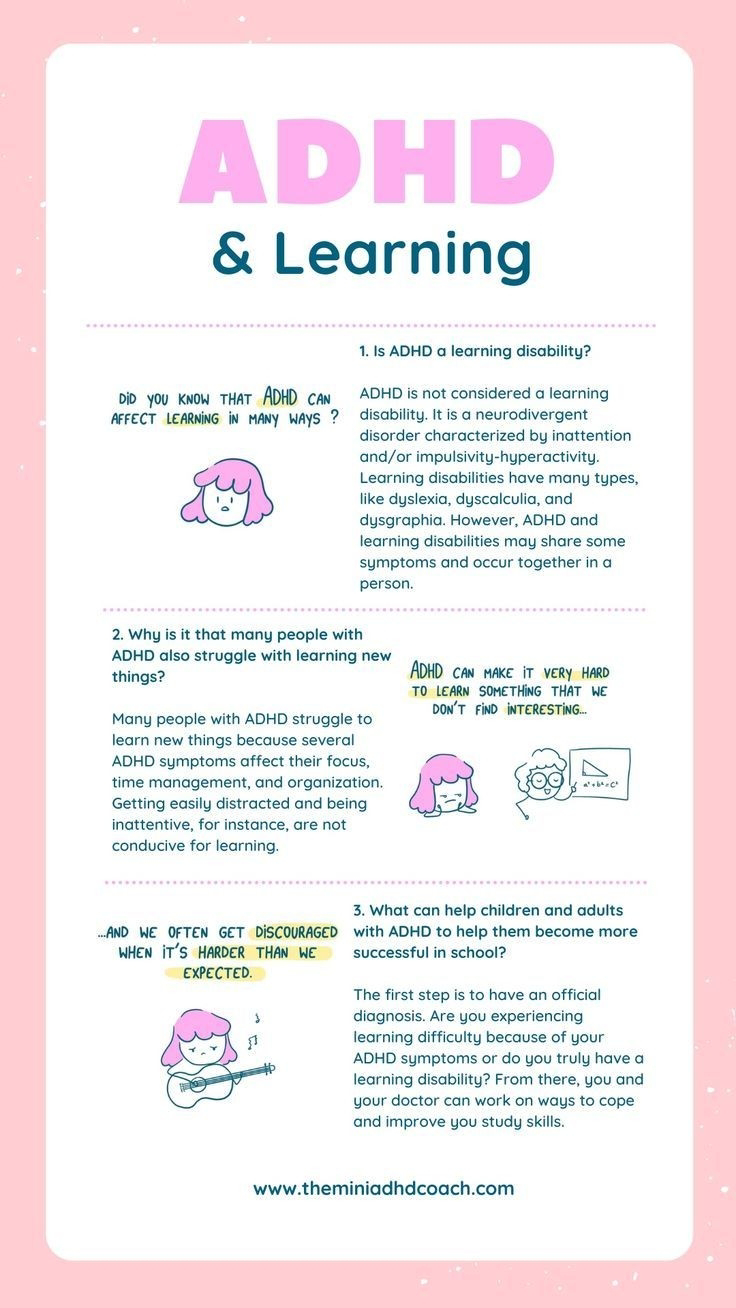
Supporting a Child with ADHD in Learning and EducationBy The Nairobi Feminist

ADHD AND LEARNING
Attention-Deficit/Hyperactivity Disorder (ADHD) is a neurodevelopmental condition that affects a child’s ability to focus, stay organized, and control impulses. It’s one of the most common mental health disorders in children and can impact various aspects of their life, including their education. Symptoms of ADHD often include difficulty paying attention, hyperactivity, impulsiveness, and challenges with staying on task, even when a child wants to focus. These symptoms vary from child to child—some may struggle more with inattentiveness, while others are more hyperactive and impulsive.

Living with ADHD doesn't mean a child can’t succeed academically; it just means they need a different approach to learning. With the right support and strategies, children with ADHD can not only meet but exceed their educational goals. As someone passionate about inclusive education, let me share some ways we can support these children to thrive in school.

Embrace a Structured Routine
Children with ADHD often struggle with attention and organization, so it’s crucial to establish a consistent routine. A predictable schedule creates a sense of security and helps reduce distractions. Try creating a daily planner or visual timetable for schoolwork, extracurricular activities, and homework time. Using colors, symbols, or stickers can make it fun and engaging for your child. Most importantly, stick to the routine as much as possible, but allow for flexibility when needed.

Break Tasks into Manageable Chunks
For children with ADHD, tackling large tasks can be overwhelming. Instead of presenting an assignment or lesson as one long activity, break it down into smaller, more manageable parts. Set short, achievable goals, and offer praise or rewards for completing each step. This approach not only keeps your child motivated but also improves their focus and confidence in handling schoolwork.

Use Active Learning Techniques
Children with ADHD often struggle with traditional learning methods that require sitting still for long periods. Consider incorporating movement or hands-on activities into their learning process. Interactive methods such as role-playing, drawing, using manipulatives, or working on projects that involve movement can help your child stay engaged. Remember, learning doesn’t always have to be done at a desk. Sometimes, getting up and moving around while reviewing material can help them retain information better.

Create a Distraction-Free Zone for Study Time
It’s essential to provide a calm, organized space for your child to study. This doesn’t have to be an entire room, but it should be an area where distractions are minimized. Keep the workspace clear of unnecessary items and turn off background noise like TVs or phones. Some children with ADHD might benefit from using noise-canceling headphones or listening to soft, instrumental music to improve concentration.

Establish Regular Breaks
Children with ADHD may find it difficult to maintain concentration for extended periods. Build in regular breaks during homework or study sessions, allowing them to recharge. A quick 5-10 minute break after every 20-30 minutes of focused work can do wonders for maintaining attention. These breaks can involve physical activities such as stretching, jumping jacks, or even a short walk to help them burn off energy before getting back to the task at hand.

Work Closely with Teachers
A collaborative approach between parents and teachers is critical for supporting children with ADHD. Regular communication with your child’s teachers can help ensure that strategies used at home are mirrored in the classroom. Teachers can also provide insight into how your child is coping in school, and together, you can adjust approaches to fit their learning style. Requesting accommodations such as extra time on tests, sitting in a less distracting part of the classroom, or using assistive technology can make a huge difference in your child’s educational experience.

Focus on Strengths and Celebrate Successes
While ADHD can make certain aspects of learning more challenging, children with ADHD often have incredible creativity, energy, and problem-solving skills. Focus on these strengths and celebrate even the small victories. Whether it's completing a homework assignment, mastering a new skill, or showing improvement in organization, each accomplishment should be acknowledged. Positive reinforcement boosts self-esteem and encourages continued effort.

Teach Self-Regulation Skills
Helping your child develop self-regulation skills is key to their success both in school and in life. Teach them how to recognize when they are losing focus or getting frustrated and introduce calming techniques such as deep breathing or counting to 10. Encourage them to take ownership of their learning by setting personal goals and reflecting on their progress.

Raising and educating a child with ADHD requires advocacy, patience, and a willingness to adapt. No two children are the same, so what works for one might not work for another. However, by creating a structured, supportive learning environment and working in partnership with educators, we can help children with ADHD unlock their full potential and succeed academically and socially.

As The Nairobi Feminist, I believe that every child deserves an inclusive, empowering educational experience, and children with ADHD are no exception. With understanding, flexibility, and the right tools, we can ensure that they not only survive but thrive in school.I believe our education system needs to adapt. As well as be inclusive to these children.

This article highlights actionable steps and approaches for both parents and educators to support children with ADHD. Empowering children through education aligns with our vision of creating a society that nurtures every individual, regardless of their unique challenges. Let's continue advocating for better, inclusive learning environments.

Monday, September 30, 2024

WHAT LOVE MEANS

What Love Truly Means
Love—such a simple word, yet one layered with complexities that seem to shift depending on who you ask. In a world where we are constantly bombarded with glittering images of romance, grand gestures, and the illusion that love must look a certain way, it’s easy to lose sight of its essence. As a feminist in Nairobi, I often reflect on how love has been defined and misdefined, especially for women. What does love truly mean in a society where patriarchy has painted over our realities, sometimes masking love as possession or duty?

Love is freedom. It's the freedom to be your full, unapologetic self in the presence of another, without fear of judgment or ridicule. In a world that tells us to shrink or conform, true love holds space for you to expand, to grow, and to evolve. It doesn't demand that you mold yourself into a palatable version of who you are but rather celebrates your raw, unfiltered existence.

Love is reciprocal. It’s the quiet understanding that for every ounce of care you pour into someone else, that care will be poured back into you—not as a transaction but as a flow. When love becomes one-sided, when it demands all of you while offering nothing in return, it ceases to be love and instead becomes an obligation or a performance.

And then there's self-love, the foundation upon which all other forms of love are built. Patriarchy has long taught women to place their value in how much love they can give to others—be it to a partner, a child, or even a job—while neglecting the love they owe themselves. But to truly love someone else, you must first know how to love yourself. This is not the self-indulgent, Instagram-influencer version of self-love but the deep, sometimes painful work of understanding your own worth, your boundaries, and your desires.

As a Nairobi feminist, I often see love as an act of rebellion. To love oneself, to love another with honesty and respect, to create partnerships built on equality—that is revolutionary in a world that thrives on power imbalances. It is a rejection of the narratives that tell us love must be sacrificial or hierarchical. True love is an equal partnership, one that refuses to chain itself to outdated norms.

And finally, love is action. It’s the quiet moments of care, the consideration of someone else’s needs, and the constant choice to nurture, even when it feels difficult. Love is not passive. It demands effort, but it must never demand our identity, our agency, or our autonomy. Real love lifts; it doesn’t weigh down.

In this world of constant noise about what love should be, perhaps we need to strip it down to its core. Love is respect. Love is equality. Love is freedom. Anything less? That’s not love—it’s control wearing a pretty disguise.
Let us love, yes, but let us love with open eyes.


Monday, September 23, 2024

WHATS REALLY WRONG WITH YOU!

 PAINFUL TRUTHS
What if the only reason you think there's something wrong with you that hasn't been diagnosed is because all your life you have been told ,"there must be something wrong with  you!"
To the point your subconscious has been trying to figure it out and that's what's been fucking you up!

Introspection 
I'm just trying to understand .How you can be so insecure .That you want to create insecurity in others to damage them.

But I guess if everything is done subconsciously. It means all the more reasons. To dig deep. To analyze the harm done to yourself and want to fix it for yourself.

Fear breeds fear, hurt people, hurt people! The thing is they don't even realise that's what they're doing because sometimes the hurt is buried deep and is unacknowledged .

Everyone has an opinion about how things or people should be. and they put that on other people.
You can't listen to what everyone says .... Their opinions change like the weather!!!
No one is perfect
If we had future vision or hindsight well then life would be different
Our choices are not standalone....other factors affect them like other people's motives
 
Which brings me back to the question we are all asked sometimes to point out a failure. Sometimes to ridicule . Sometimes to belittle ........ What is wrong with you!!!!!!!
Well standing here I see I may have made a fault but that's what it is an error a mistake. 
And that mistake shouldn't be what is used to measure the the sum of who I am .
Because apart from my shortcomings which make me human there is absolutely nothing wrong with me!!!!!!!!!!!

MATERNAL HEALTH AND ITS LINK TO POST PARTUM DEPRESSION

Maternal health encompasses the well-being of women during pregnancy, childbirth, and the postnatal period. It plays a crucial role in determining the physical, mental, and emotional health of both mother and child. A critical aspect of maternal health that has garnered increased attention is the mental health of mothers, particularly postpartum depression (PPD), a significant mental health issue affecting a large number of women after childbirth.

Maternal health is a broad term that covers the health care women receive before conception, during pregnancy, and after childbirth. It includes prenatal care, labor and delivery, and postpartum care, all of which are vital to ensuring positive outcomes for both the mother and child. Good maternal health care reduces risks such as maternal mortality, infant mortality, and pregnancy-related complications.

In recent years, much attention has shifted from physical maternal health alone to integrating mental health care. This shift acknowledges the profound link between a mother's mental health and the broader family dynamic, as well as the developmental outcomes for children.

What is Postpartum Depression (PPD)
Postpartum depression is a mood disorder that affects women after childbirth. It is more severe than the "baby blues"—the short-term emotional changes often experienced right after delivery. PPD can occur any time within the first year after birth and can range from mild to severe. Symptoms of PPD include:

Persistent sadness or feelings of hopelessness

Extreme fatigue or lack of energy
Changes in appetite or sleep patterns
Difficulty bonding with the baby
Anxiety, irritability, or mood swings
Feelings of worthlessness or guilt
Thoughts of harming oneself or the baby


The exact causes of PPD are not fully understood but are thought to be linked to a combination of hormonal, environmental, emotional, and genetic factors.

Several factors contribute to an increased risk of developing PPD, including:

1. Biological Changes: After childbirth, women experience a sharp drop in estrogen and progesterone levels, which can lead to mood swings and depression. Additionally, thyroid levels may drop, leading to fatigue and depressive symptoms.


2. Psychosocial Factors: Women who lack social support, experience marital or relationship problems, or have a history of mental health disorders (such as depression or anxiety) are at a higher risk of PPD. Stressful life events like financial instability or the death of a loved one can also be contributing factors.


3. Physical and Emotional Exhaustion: Caring for a newborn is physically and emotionally draining. The stress of adjusting to the demands of motherhood—often compounded by a lack of sleep—can increase the likelihood of postpartum depression.


4. Previous Mental Health History: Women with a history of depression, anxiety, or other mental health issues before or during pregnancy are at a higher risk for postpartum depression.


The Link Between Maternal Health and Postpartum Depression

1. Poor maternal physical health can contribute to the onset of PPD. Conditions such as prolonged labor, complications during delivery, or chronic illness can leave mothers feeling physically drained, making them more susceptible to mental health struggles. Additionally, pain or discomfort following childbirth (such as from cesarean sections or perineal tears) may heighten stress levels.


2.  Increasingly, health care providers are recognizing the importance of screening for mental health conditions as part of standard maternal care. Early detection through questionnaires or interviews can help identify women at risk of PPD, allowing for timely interventions.


3. Hormonal Fluctuations: The physical changes in a woman’s body during and after pregnancy are profound. The sudden drop in reproductive hormones after childbirth is often considered a trigger for PPD. Women with underlying hormonal imbalances may be more sensitive to these fluctuations.


4.  Socioeconomic status can heavily influence maternal health. Women from lower-income backgrounds may lack access to quality prenatal and postpartum care, increasing their risk of both physical and mental health complications. Stressors such as financial instability or inadequate housing can exacerbate feelings of hopelessness or anxiety, contributing to the development of PPD.


Addressing Maternal Health and Postpartum Depression

1. Ensuring that all women, regardless of socioeconomic background, have access to comprehensive prenatal and postpartum care is critical. Health systems need to integrate mental health services into maternal health care, including counseling, support groups, and medications when necessary.


2.  Educating mothers and their families about the potential risks of PPD and maternal mental health in general can help reduce stigma and encourage early intervention. Mothers should be encouraged to seek help without fear of judgment.


3. Family, friends, and communities play a crucial role in supporting new mothers. Providing emotional support, practical help, and companionship can reduce feelings of isolation that often contribute to PPD.


4.  Cognitive-behavioral therapy (CBT), counseling, medication, and other therapeutic approaches can help women manage PPD. In severe cases, medical intervention, including antidepressants, may be necessary under the supervision of a healthcare provider.

Lastly.Maternal health is an intricate blend of physical, emotional, and psychological factors, and postpartum depression underscores the deep connection between mental and physical health during and after pregnancy. Early detection and intervention are key in preventing the long-term effects of PPD on both mothers and their children. Ensuring that maternal health care includes comprehensive mental health screenings and support can lead to healthier outcomes for mothers, infants, and families as a whole.

#KenyanFeminism  #FeministKenya  #WomensRightsKE  Kenya#GenderEqualityKE  #HerVoiceKE
#BreakingTheBiasKE
#SheLeadsKE #KOTfeminism  #KenyaWomenEmpowerment  #MyBodyMyChoiceKE  #StopGBVKE  #WomenInTechKE #FeministVoicesKE  #MenstrualHealthKE #NAIROBIFEMINIST

Search This Blog